







Concerns over weak oversight, opaque mining agreements and limited state capacity to verify mineral production dominated discussions at the School of Integrity for Emerging Leaders, where participants warned that Zimbabwe risks losing significant revenue from its natural resources.
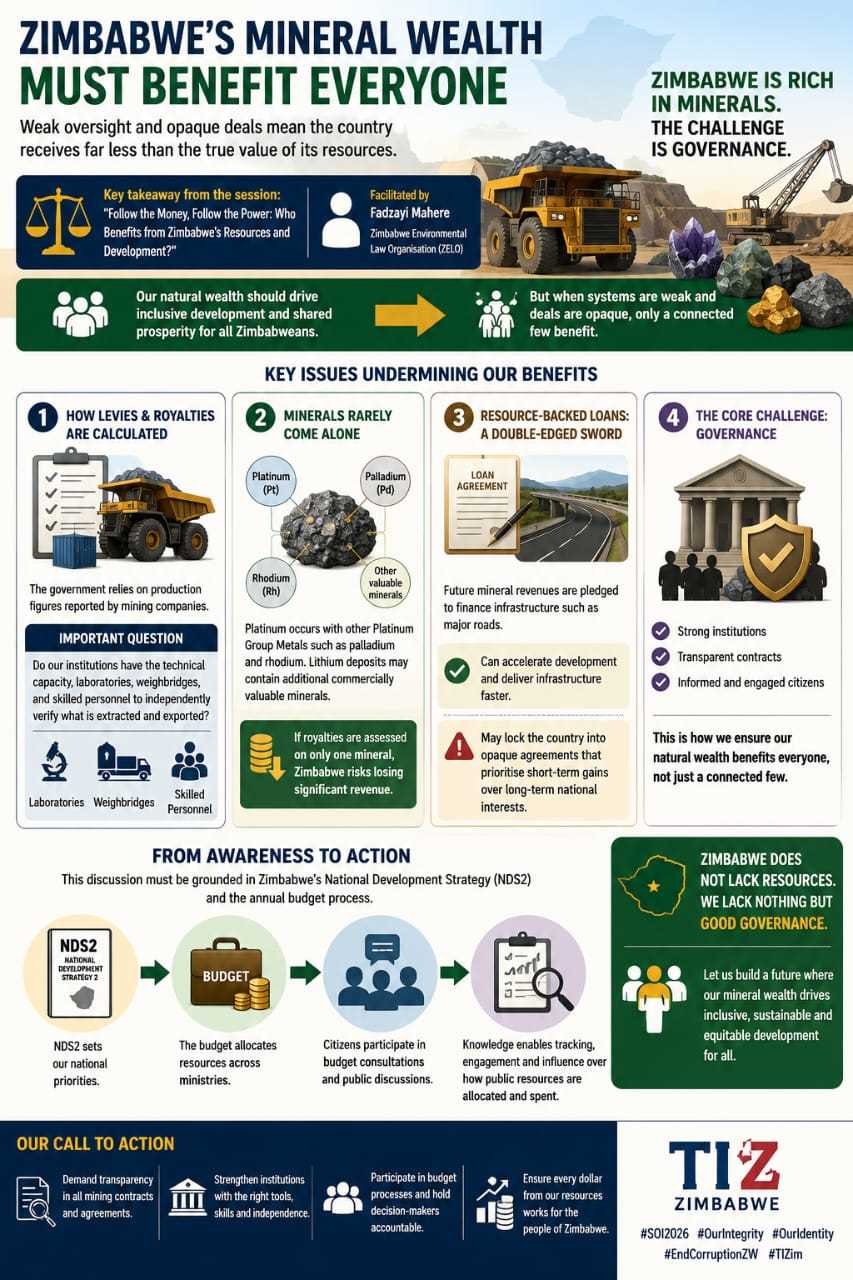
The discussions, held during a session titled “Follow the Money, Follow the Power: Who Benefits from Zimbabwe’s Resources and Development?”, focused on governance gaps in the mining sector and the country’s ability to fully benefit from its mineral wealth.
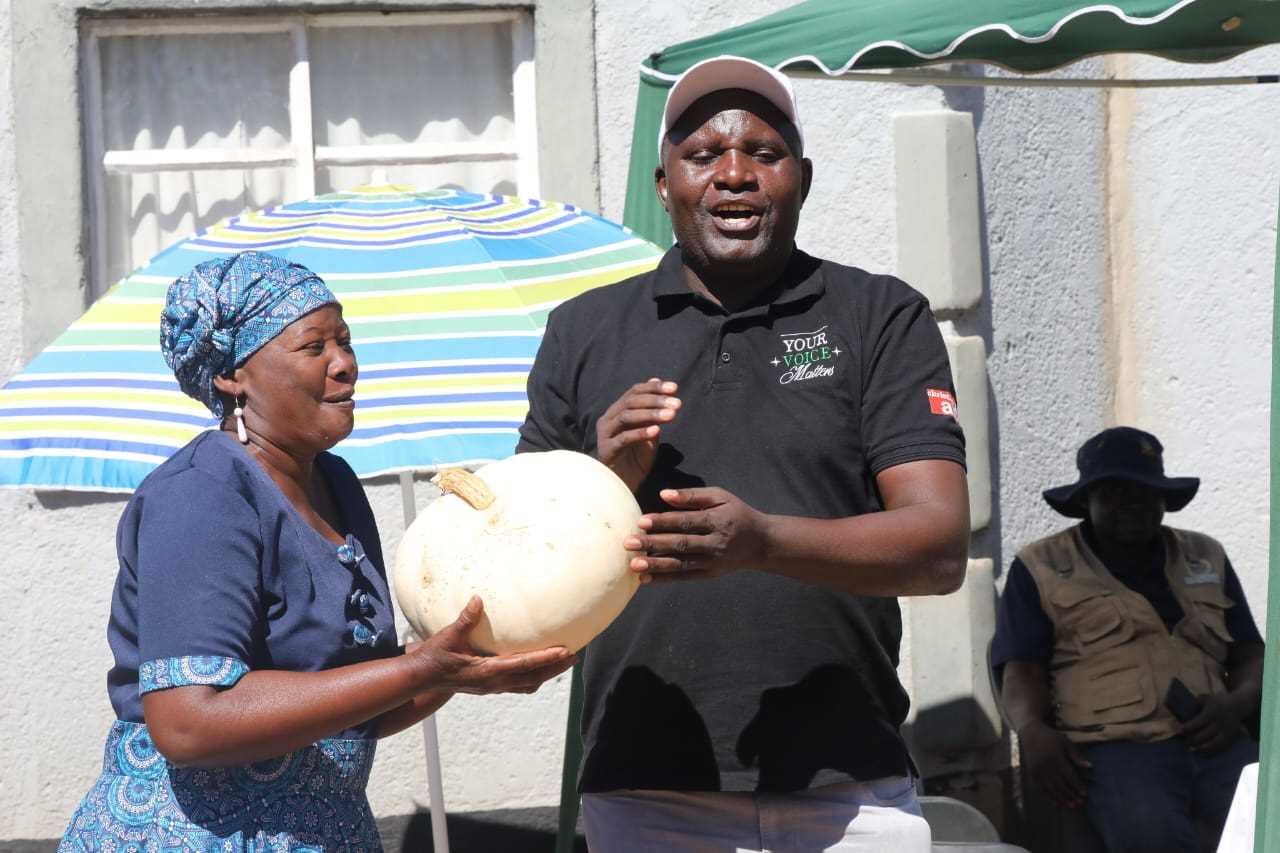
Facilitating the session, Zimbabwe Environmental Law Organisation representative Fadzayi Mahere said Zimbabwe’s vast mineral resources should be driving broad-based economic development, but weak governance structures continue to undermine public benefit.
“Zimbabwe’s mineral wealth should be the foundation of inclusive development. Instead, weak oversight and opaque deals often mean the country receives far less than the true value of its resources,” participants heard during the session.
A major concern raised was the country’s reliance on production figures declared by mining companies when calculating royalties and levies, with questions emerging over whether government institutions possess adequate technical infrastructure and expertise to independently verify mineral output.
“This raises an important question: do our institutions have the technical capacity, laboratories, weighbridges, and skilled personnel needed to independently verify what is extracted and exported?” the session noted.
Related Stories
Participants also highlighted the complexity of mineral extraction, warning that Zimbabwe could be losing revenue where royalties are calculated on primary minerals alone while associated high-value minerals remain under-accounted for.
“Platinum occurs alongside other valuable Platinum Group Metals such as palladium and rhodium.
Lithium deposits may also contain additional commercially valuable minerals. If royalties are assessed on only one mineral, Zimbabwe risks losing significant revenue,” the discussion heard.
The forum further examined resource-backed infrastructure financing arrangements, where future mineral revenues are used to secure funding for major public projects.
While such deals may accelerate infrastructure development, participants warned they could expose the country to long-term fiscal risks if negotiated without transparency and adequate parliamentary and public scrutiny.
“The challenge is governance. Strong institutions, transparent contracts, and informed citizens are essential to ensure our natural wealth benefits everyone, not just a connected few,” the session concluded.





Leave Comments